
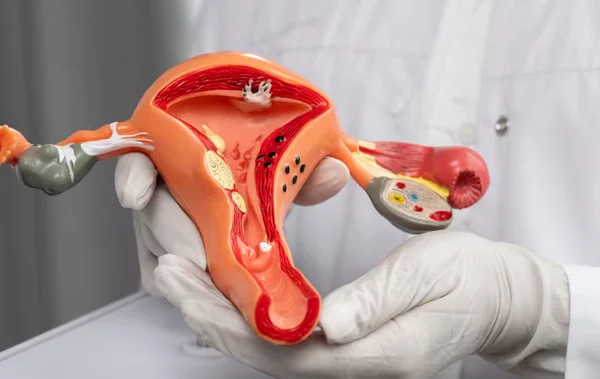
Polycystic Ovarian Disease (PCOD) is one of the most common hormonal disorders affecting women in their reproductive years. It can impact menstrual health, skin condition, weight, and fertility if not managed properly. With the right diagnosis and timely care, PCOD can be effectively controlled. Dr. Akshata Bhatnagar offers comprehensive and personalized PCOD treatment, focusing on long-term hormonal balance, symptom relief, and overall well-being through a combination of medical care and lifestyle guidance.
Polycystic Ovarian Disease (PCOD) is a hormonal condition in which the ovaries produce immature or partially developed eggs that may form small cysts over time. This leads to an imbalance in reproductive hormones, especially an increase in androgens (male hormones), which disrupts the normal menstrual cycle and ovulation process. As a result, women may experience irregular periods, difficulty in conceiving, and other health-related symptoms associated with hormonal imbalance.
PCOD mainly occurs due to hormonal imbalance influenced by multiple factors such as genetics, lifestyle, and metabolic conditions. One of the major causes is insulin resistance, where the body does not effectively use insulin, leading to increased production of male hormones that interfere with ovulation. Additionally, unhealthy eating habits, lack of physical activity, stress, obesity, and family history can further contribute to the development of PCOD. These factors collectively disturb the hormonal cycle, resulting in irregular periods and ovarian dysfunction.
PCOD is most commonly seen in women of reproductive age, particularly between 15 to 35 years.
Key points:
Common in teenagers and young adults
Can begin soon after puberty
Requires early diagnosis for better control
PCOD symptoms can vary from person to person and may develop gradually over time.
Common symptoms include:
Irregular or missed periods
Excessive facial or body hair
Acne and oily skin
Weight gain or difficulty losing weight
Hair thinning or hair fall
Difficulty in conceiving
Timely management of PCOD is essential to prevent long-term complications and improve overall quality of life.
Benefits of treatment:
Regulates menstrual cycles
Improves hormonal balance
Enhances fertility chances
Controls weight and metabolism
Reduces acne and unwanted hair growth
Prevents future health risks
Dr. Akshata Bhatnagar provides advanced PCOD treatment in Gyna Khand 1, focusing on a holistic and personalized approach based on the patient’s symptoms and health goals.
Treatment options include:
Hormonal medications for cycle regulation
Ovulation induction for fertility support
Lifestyle and dietary modifications
Weight management programs
Insulin resistance control
Regular monitoring and follow-ups
The diagnosis of PCOD requires a comprehensive evaluation to identify hormonal imbalance and ovarian changes. Dr. Akshata Bhatnagar begins with a detailed assessment of the patient’s medical history, menstrual patterns, and symptoms. This is followed by physical examination and diagnostic tests such as hormonal blood investigations to evaluate endocrine function and ultrasound imaging to check for ovarian cysts. In some cases, additional tests may be recommended to assess insulin resistance or rule out other conditions. This step-by-step approach ensures accurate diagnosis and helps in creating a personalized and effective treatment plan.
Dr. Akshata Bhatnagar is known for her expertise in managing hormonal disorders like PCOD with a patient-centered and evidence-based approach. She focuses on identifying the root cause of the condition rather than just treating symptoms, ensuring long-term health benefits. Her treatment plans are personalized according to each patient’s lifestyle, health condition, and reproductive goals. With her compassionate nature, clear communication, and advanced medical knowledge, she ensures that patients feel comfortable, informed, and confident throughout their treatment journey.
1. Is PCOD a serious condition?
PCOD is a common condition and can be managed effectively with proper treatment and lifestyle changes. Early diagnosis helps prevent complications and ensures better long-term health.
2. Can PCOD be cured permanently?
PCOD cannot be completely cured, but it can be controlled very effectively with the right medical care, diet, and lifestyle modifications.
3. Does PCOD affect fertility?
PCOD can affect ovulation, but with proper treatment, many women successfully conceive and have healthy pregnancies.
4. Is weight gain related to PCOD?
Yes, many women with PCOD experience weight gain due to hormonal imbalance and insulin resistance, but it can be managed with proper guidance.
5. When should I consult a doctor for PCOD?
If you have irregular periods, acne, excessive hair growth, or difficulty conceiving, you should consult a specialist like Dr. Akshata Bhatnagar for evaluation.


Comments
Be the first to review