
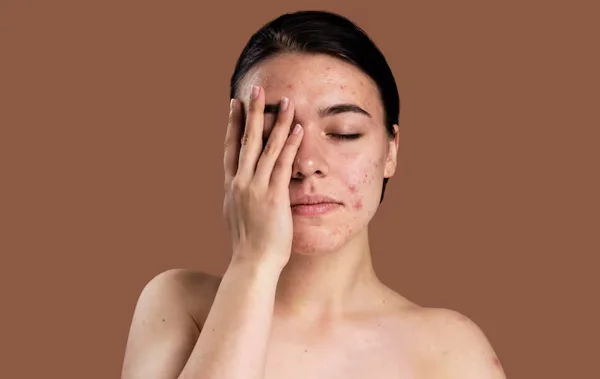
Hirsutism (excessive hair growth) and acne are common yet distressing concerns faced by many women, often affecting confidence and overall well-being. These conditions are usually linked to underlying hormonal imbalances and require proper medical evaluation. Dr. Akshata Bhatnagar provides comprehensive and personalized treatment for managing these issues, focusing on restoring hormonal balance, improving skin health, and enhancing overall quality of life.
Hirsutism is a condition characterized by excessive growth of thick, dark hair in areas such as the face, chest, abdomen, or back, where women typically have minimal hair. Acne is a skin condition involving pimples, blackheads, and inflammation caused by excess oil production and clogged pores. Both conditions are often interrelated and commonly occur due to increased levels of male hormones (androgens), which affect hair growth and skin function.
Hirsutism and acne mainly occur due to hormonal imbalance, particularly elevated androgen levels in the body. One of the most common underlying causes is PCOD (Polycystic Ovarian Disease). Other contributing factors include genetics, insulin resistance, obesity, stress, and unhealthy lifestyle habits. These factors lead to overstimulation of hair follicles and increased oil production in the skin, resulting in excessive hair growth and acne formation.
These conditions are most commonly seen in adolescent girls and women between 15 to 40 years of age.
Key points:
Common during puberty and reproductive years
Frequently associated with PCOD
May persist if untreated
Symptoms may vary depending on the severity and underlying cause.
Common symptoms include:
Excess facial or body hair growth
Persistent acne or breakouts
Oily skin
Irregular menstrual cycles
Hair thinning or scalp hair loss
Skin darkening or pigmentation
Early and appropriate treatment helps manage symptoms effectively and improves overall health.
Benefits include:
Reduces unwanted hair growth
Controls acne and improves skin clarity
Restores hormonal balance
Improves menstrual regularity
Enhances self-confidence and quality of life
Dr. Akshata Bhatnagar offers advanced Hirsutism and Acne treatment in Gyna Khand 1, focusing on both symptom control and long-term hormonal correction.
Treatment options include:
Hormonal therapy to regulate androgen levels
Medications for acne control
Lifestyle and dietary modifications
Weight management strategies
Skincare and dermatological guidance
Treatment of underlying conditions like PCOD
The diagnosis involves a comprehensive assessment to identify the root cause of the condition. Dr. Akshata Bhatnagar evaluates the patient’s medical history, menstrual cycle, and symptoms in detail. This is followed by a physical examination and hormonal blood tests to assess androgen and insulin levels. Ultrasound imaging may be advised to evaluate ovarian health, especially in suspected PCOD cases. This systematic approach ensures accurate diagnosis and helps in developing a personalized treatment plan.
Dr. Akshata Bhatnagar is highly experienced in treating hormonal disorders affecting women’s health. She follows a holistic and evidence-based approach, focusing on long-term results rather than temporary fixes. Her personalized treatment plans, combined with lifestyle counseling and continuous monitoring, ensure effective management of hirsutism and acne. With her compassionate approach and clear communication, she provides a comfortable and supportive environment for every patient.
1. Is excessive hair growth normal in women?
Mild hair growth can be normal, but excessive or unusual hair growth may indicate hormonal imbalance and should be evaluated.
2. Can acne and hirsutism be linked?
Yes, both are often caused by increased androgen levels and are commonly seen together in conditions like PCOD.
3. Is the treatment long-term?
Treatment duration depends on the cause, but long-term management may be needed to maintain results.
4. Can lifestyle changes help?
Yes, healthy diet, exercise, and weight control play a significant role in managing these conditions.
5. When should I consult a doctor?
If symptoms are persistent or worsening, it is advisable to consult Dr. Akshata Bhatnagar for proper diagnosis and treatment.


Comments
Be the first to review