
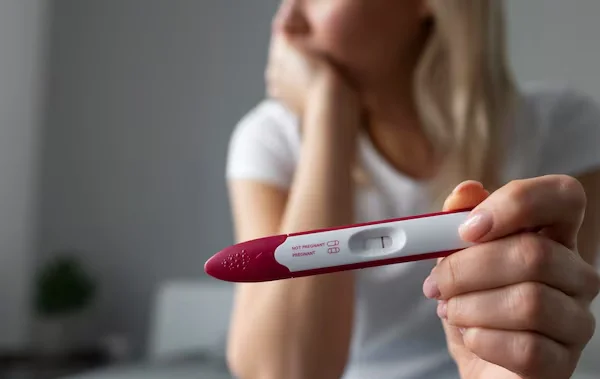
Infertility can be a deeply emotional and challenging journey for couples wishing to conceive. Whether it is primary infertility (where conception has never occurred) or secondary infertility (difficulty conceiving after a previous pregnancy), timely and expert intervention is crucial. Dr. Akshata Bhatnagar offers comprehensive evaluation, personalized treatment, and compassionate care to help couples understand their reproductive health and optimize their chances of conception.
Primary infertility refers to couples who have been unable to conceive after at least one year of regular unprotected intercourse without any prior pregnancies.
Secondary infertility occurs when a couple struggles to conceive after previously having a successful pregnancy, whether resulting in a live birth or miscarriage.
Both conditions may arise from male, female, or combined factors, and identifying the underlying cause is essential for effective management.
Infertility can result from a wide range of factors affecting either partner. In women, hormonal imbalances, ovulatory disorders, uterine abnormalities, blocked fallopian tubes, or age-related fertility decline are common causes. In men, low sperm count, poor motility, or structural abnormalities may contribute. Lifestyle factors such as stress, obesity, smoking, alcohol consumption, and certain medical conditions also play a role. Comprehensive evaluation ensures that all contributing factors are identified and addressed.
Infertility can affect couples at various stages of reproductive life, but it is most commonly evaluated in women aged 20 to 40 years and men of reproductive age.
Key points:
Early evaluation improves treatment outcomes
Age-related fertility decline in women may influence results
Both partners require assessment for accurate diagnosis
Signs that may indicate infertility include:
Inability to conceive after 12 months of regular unprotected intercourse
Irregular or absent menstrual cycles
Recurrent pregnancy loss
Sexual dysfunction or reduced libido
Symptoms of hormonal imbalance such as acne or hirsutism
Timely investigation and management of infertility can significantly increase the chances of conception while addressing underlying health issues.
Benefits include:
Identifies root causes of infertility
Personalized treatment for both partners
Improved chances of successful conception
Emotional and psychological support
Guidance for long-term reproductive health
Dr. Akshata Bhatnagar provides advanced infertility investigation and management in Gyna Khand 1, combining medical expertise, modern diagnostic tools, and individualized care plans.
Treatment options include:
Comprehensive fertility evaluation for both partners
Ovulation induction and hormonal therapy
Intrauterine insemination (IUI) if indicated
Advanced assisted reproductive techniques (ART/IVF referral if needed)
Lifestyle counseling and nutritional guidance
Management of uterine or structural abnormalities
Diagnosis begins with a thorough medical and reproductive history for both partners. Dr. Akshata Bhatnagar conducts a complete physical examination and recommends specific investigations, including:
Hormonal blood tests to assess ovulation and reproductive health
Ultrasound for ovarian and uterine evaluation
Semen analysis for male partner
Hysterosalpingography or sonohysterography to check fallopian tubes
Additional tests based on individual patient needs
This step-by-step, evidence-based approach ensures accurate diagnosis and allows for a personalized treatment plan that maximizes the chances of conception.
Dr. Akshata Bhatnagar is a trusted specialist in managing infertility with a patient-centric and compassionate approach. She provides personalized, evidence-based care for both primary and secondary infertility, addressing medical, emotional, and lifestyle aspects. Her extensive experience, attention to detail, and use of modern diagnostic techniques ensure that every couple receives accurate evaluation and effective treatment, enhancing their chances of achieving a successful pregnancy.
1. How long should we try before consulting a doctor?
Couples should seek evaluation after 12 months of regular unprotected intercourse. Women over 35 should consult sooner.
2. What causes primary infertility?
It may result from ovulatory disorders, blocked fallopian tubes, male factors, or unexplained causes.
3. Can secondary infertility be treated?
Yes, secondary infertility is often treatable by addressing underlying hormonal, uterine, or male factors.
4. Is treatment painful or invasive?
Most initial investigations are non-invasive, and treatments are tailored to be as comfortable as possible.
5. How successful is infertility treatment?
Success depends on the cause, age, and overall health of both partners. Personalized care by Dr. Akshata Bhatnagar maximizes chances of conception.



Comments
Be the first to review