
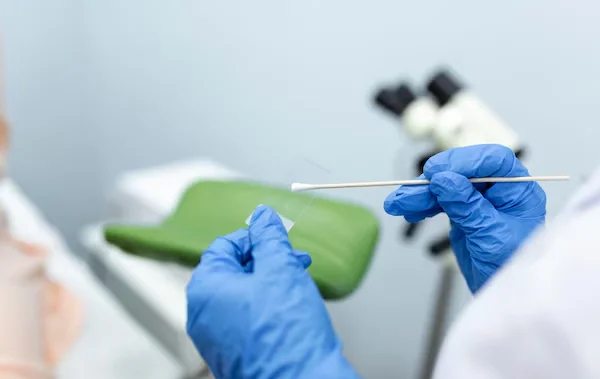
Early detection is key in preventing cervical cancer, one of the most common cancers in women. Pap smear and colposcopy are crucial tools for identifying pre-cancerous changes in the cervix before they develop into invasive cancer. Dr. Akshata Bhatnagar offers expert cervical cancer screening services, ensuring accurate diagnosis, timely intervention, and peace of mind for women through evidence-based and patient-centered care.
Pap Smear: A simple test that collects cells from the cervix to detect abnormalities or early pre-cancerous changes.
Colposcopy: A detailed examination of the cervix using a magnifying instrument (colposcope) to identify abnormal areas and guide biopsies if needed.
Both tests are complementary and play a critical role in cervical cancer prevention by identifying issues early, when treatment is most effective.
Cervical cancer develops when abnormal cells on the cervix are left untreated, often caused by persistent infection with high-risk human papillomavirus (HPV) strains. Pap smear and colposcopy allow early detection of these cellular changes before they progress to cancer. Regular screening is essential, as early cervical abnormalities usually do not cause symptoms.
Screening is recommended for women who are 21 years and above, with the frequency depending on age and risk factors.
Key points:
Women aged 21–65 should undergo regular screening
Earlier screening may be advised for high-risk women (HPV-positive, immunocompromised)
Postmenopausal women should continue periodic checks
Cervical pre-cancer and early cancer often have no noticeable symptoms, but screening is essential for early detection. Symptoms that warrant evaluation include:
Unusual vaginal bleeding or spotting
Pain during intercourse
Foul-smelling vaginal discharge
Persistent pelvic discomfort
Early cervical screening provides significant benefits:
Detects pre-cancerous lesions before they become invasive
Reduces risk of cervical cancer through early treatment
Guides timely intervention and management
Offers reassurance and peace of mind
Supports overall reproductive health
Dr. Akshata Bhatnagar provides Pap smear and colposcopy services in Gyna Khand 1 using modern, safe, and accurate techniques.
Pap Smear Procedure:
A small brush or spatula collects cells from the cervix
Cells are sent for laboratory examination
Quick, painless, and minimally invasive
Colposcopy Procedure:
Visual inspection of the cervix using a magnifying colposcope
Application of acetic acid or Lugol’s iodine to highlight abnormal areas
Biopsy may be taken for suspicious areas
Results guide further treatment if required
Dr. Akshata Bhatnagar is a highly experienced gynecologist specializing in cervical cancer prevention and women’s health. She combines meticulous technique, patient-focused care, and modern diagnostic tools to ensure accurate and comfortable screening. Her compassionate guidance helps patients understand results and treatment options, making her a trusted choice for Pap smear and colposcopy in Gyna Khand 1.
1. How often should I get a Pap smear?
Women aged 21–29: every 3 years; women 30–65: every 3–5 years, depending on HPV testing results.
2. Is Pap smear painful?
No, it is a quick, minimally invasive procedure with mild discomfort at most.
3. What happens if abnormal cells are detected?
Further evaluation with colposcopy and biopsy is done to determine the appropriate treatment.
4. Can colposcopy detect cancer?
Yes, it helps identify pre-cancerous and early cancerous lesions, allowing timely intervention.
5. Do I need both Pap smear and colposcopy?
Pap smear is a screening test; colposcopy is done if abnormalities are detected or for high-risk patients.



Comments
Be the first to review