
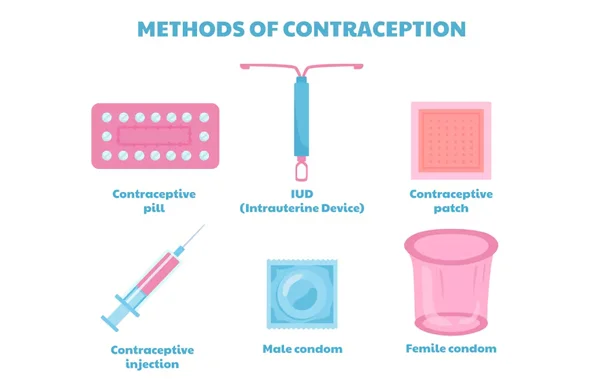
Choosing the right contraception is an essential part of women’s health and family planning. Whether you have recently delivered, are planning a pregnancy later, or want long-term protection, understanding the options available—such as interval contraception, postpartum pills, and intrauterine devices (IUDs)—is key to making informed decisions. At Dr. Akshata Bhatnagar’s clinic, we provide personalised guidance on the safest and most effective methods to meet your lifestyle and health needs.
Contraceptive choices include a variety of methods designed to prevent unintended pregnancies. Interval contraception refers to contraceptive measures taken between pregnancies, while postpartum pills are hormonal contraceptives suitable after childbirth. Intrauterine devices (IUDs) like Copper-T are small T-shaped devices inserted into the uterus to provide long-term contraception without daily maintenance.
These methods can be tailored based on your age, health status, breastfeeding, and family planning goals. Choosing the right option ensures effective pregnancy prevention while maintaining hormonal balance.
Many women experience a need for contraception due to changes in hormonal levels, postpartum fertility, or spacing between pregnancies. Hormonal fluctuations, irregular menstrual cycles, and conditions such as PCOD (Polycystic Ovarian Disease) can also influence fertility and menstrual patterns, making a personalised contraceptive plan essential. PCOD is a common hormonal disorder affecting women of reproductive age, leading to irregular periods, excessive hair growth, and difficulty in conceiving.
Contraception helps regulate menstrual cycles, prevent unplanned pregnancies, and manage hormonal imbalances associated with PCOD or postpartum changes.
Interval Contraception: Usually involves hormonal pills or injections taken between pregnancies to prevent ovulation. The type of contraception is selected based on individual health assessment.
Postpartum Pills: Can be started safely after childbirth, especially if not breastfeeding. These hormonal pills are taken daily to prevent conception and support regular cycles.
IUD / Copper-T Insertion: A trained gynaecologist inserts a small T-shaped device into the uterus during a brief outpatient procedure. It can last 3–10 years depending on the type and requires minimal maintenance.
All procedures are carried out in a sterile environment with detailed counselling to ensure safety, comfort, and long-term effectiveness.
Prevents unintended pregnancies effectively
Provides flexible options suited to age, health, and lifestyle
Helps regulate menstrual cycles, especially in women with PCOD
Postpartum pills support spacing between pregnancies without interfering with lactation
IUDs offer long-term, reversible contraception without daily attention
Choosing the right method also improves overall reproductive health and provides peace of mind to women planning their families.
Dr. Akshata Bhatnagar is a senior gynaecologist with years of experience in family planning and women’s health. She offers compassionate, patient-centric care, guiding each woman to the safest and most effective contraceptive choice. With personalised counselling, modern techniques, and a focus on long-term reproductive wellness, she ensures that every patient’s needs and concerns are addressed with professionalism and care.
1. When can I start contraception after delivery?
Postpartum contraception can be started within a few weeks after delivery depending on whether you are breastfeeding. Dr. Akshata guides you to choose a method that is safe and effective for your recovery and family planning.
2. How effective is Copper-T in preventing pregnancy?
Copper-T is over 99% effective in preventing pregnancy and can provide long-term protection for 3–10 years without daily maintenance, making it a reliable choice for women seeking long-term contraception.
3. Are there side effects of postpartum pills?
Postpartum pills may have mild side effects such as nausea, spotting, or breast tenderness. Dr. Akshata monitors patients closely and selects the safest option based on your health and lactation status.
4. Can contraception help with PCOD-related menstrual irregularities?
Yes. Certain hormonal contraceptives can help regulate cycles, reduce excessive bleeding, and manage symptoms of PCOD, improving overall reproductive health.
5. Is the IUD insertion painful?
The procedure is quick and performed under local anaesthesia. Some women may experience mild cramps or discomfort, which usually subsides within a few hours. Dr. Akshata ensures a comfortable and safe procedure for every patient.



Comments
Be the first to review