
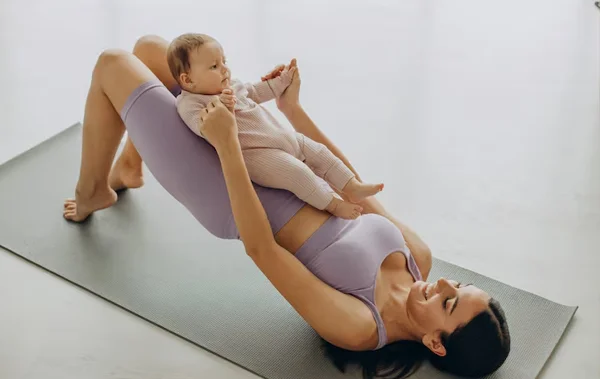
After childbirth, a mother’s body undergoes significant physical changes. Post-natal exercises help restore strength, improve posture, and enhance overall well-being. These exercises are designed to aid recovery, support core and pelvic floor muscles, and prevent long-term complications such as back pain or urinary incontinence.
At Dr. Akshata Bhatnagar’s clinic, mothers receive supervised post-natal exercise programs tailored to their delivery type, health status, and fitness goals.
Post-natal exercises are structured physical activities recommended after childbirth to improve recovery and overall health. They target:
Pelvic floor muscles to prevent prolapse and improve bladder control.
Abdominal muscles weakened during pregnancy.
Back and posture muscles to reduce pain from prolonged breastfeeding or carrying the baby.
Cardiovascular fitness to restore energy and endurance.
Exercises can include gentle stretches, walking, yoga, and specialised pelvic floor strengthening routines.
The need for post-natal exercises arises due to:
Muscle weakening and joint laxity caused by pregnancy hormones.
Weight gain and loss of core strength.
Postpartum conditions like back pain, pelvic organ prolapse, or urinary incontinence.
Lifestyle changes such as reduced physical activity and fatigue.
Regular post-natal exercise ensures faster recovery, restores confidence, and improves both mental and physical health.
Initial assessment of fitness, delivery type, and medical history.
Personalised exercise plan, starting with gentle stretches and breathing exercises.
Gradual progression to strengthen core, pelvic floor, and overall body.
Supervised sessions or home-based guidance with follow-up to track progress.
All exercises are safe, evidence-based, and adapted to each mother’s postpartum timeline.
Restores muscle tone and strengthens pelvic floor.
Improves posture and reduces back or joint pain.
Aids in gradual weight management post-pregnancy.
Boosts energy levels and enhances mental well-being.
Supports long-term health, preventing complications such as prolapse or incontinence.
Dr. Akshata Bhatnagar provides expert supervision for post-natal exercise programs, ensuring safety and effectiveness. She combines medical expertise with personalised care to help mothers regain strength, confidence, and overall well-being after childbirth.
1. When can I start post-natal exercises?
Exercises typically begin a few weeks after normal delivery and 6–8 weeks after a C-section, depending on recovery.
2. Are post-natal exercises safe for women with PCOD?
Yes. Post-natal exercises are adapted to support hormonal balance, weight management, and reproductive health in women with PCOD.
3. How often should I perform these exercises?
Daily or alternate days, depending on the program prescribed, with gradual progression under supervision.
4. Can post-natal exercises help me lose pregnancy weight?
Yes. Along with proper nutrition, exercises strengthen muscles, improve metabolism, and aid in healthy weight loss.
5. Do I need special equipment?
Most post-natal exercises use body weight, resistance bands, or simple household items; no advanced equipment is necessary.



Comments
Be the first to review