
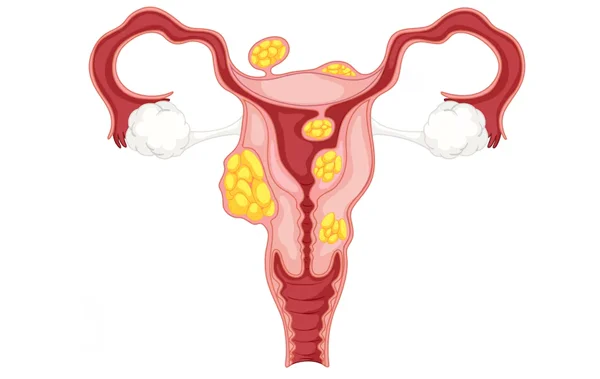
Fibroids are common benign growths in the uterus that can cause pain, heavy bleeding, and fertility issues. Myomectomy is a surgical procedure that removes fibroids while preserving the uterus, making it an ideal option for women who wish to maintain fertility. At Dr. Akshata Bhatnagar’s clinic, we provide expert gynaecologic treatment in Gyna Khand 1, combining advanced surgical techniques with personalised care for optimal recovery and reproductive health.
Myomectomy is a surgical procedure to remove uterine fibroids (also called leiomyomas) without removing the uterus. It can be performed in different ways depending on the size, number, and location of fibroids:
Abdominal Myomectomy: Fibroids removed through a small incision in the abdomen, suitable for larger or multiple fibroids.
Laparoscopic Myomectomy: Minimally invasive procedure using small keyhole incisions and a camera, ideal for smaller fibroids.
Hysteroscopic Myomectomy: Fibroids inside the uterine cavity are removed through the vagina using a hysteroscope.
This procedure preserves the uterus and allows women to conceive in the future.
Fibroids develop due to hormonal imbalances, particularly elevated estrogen and progesterone, genetic factors, and sometimes PCOD (Polycystic Ovarian Disease). Symptoms prompting myomectomy may include:
Heavy or prolonged menstrual bleeding.
Severe pelvic or lower abdominal pain.
Pressure on the bladder or bowel causing frequent urination or constipation.
Infertility or recurrent miscarriages.
Rapid growth of fibroids during reproductive years.
Left untreated, fibroids may lead to anemia, chronic pain, or fertility challenges.
Fibroids and the need for myomectomy are most commonly seen in:
Women in reproductive age (20–45 years): Fibroids often affect fertility and pregnancy outcomes.
Perimenopausal women: Symptoms like heavy bleeding, pain, and anemia become more pronounced.
Younger women often prefer myomectomy over hysterectomy to preserve fertility.
Women requiring myomectomy may experience:
Heavy menstrual bleeding with clots.
Prolonged or irregular periods.
Pelvic or lower abdominal pain and cramps.
Pressure effects on bladder and bowel.
Difficulty conceiving or recurrent miscarriages.
Abdominal swelling or visible pelvic masses.
Early diagnosis ensures timely intervention and prevents long-term complications.
Relieves pain, heavy bleeding, and pressure symptoms.
Preserves the uterus for future fertility.
Improves chances of conception and reduces miscarriage risk.
Minimally invasive techniques ensure faster recovery and minimal scarring.
Prevents complications like anemia, chronic pelvic pain, or infertility.
Treatment options for fibroids include:
Medical management: Hormonal therapy to control bleeding and reduce fibroid size temporarily.
Surgical management (Myomectomy): Recommended for symptomatic or large fibroids, or when fertility preservation is desired.
Minimally invasive techniques: Laparoscopic or hysteroscopic myomectomy for quicker recovery and less postoperative discomfort.
Postoperative care: Pain management, wound care, and gradual return to normal activities, along with follow-up imaging to monitor uterine health.
Treatment plans are customised based on fibroid type, size, symptoms, and reproductive goals.
Preoperative Evaluation: Blood tests, imaging (ultrasound, MRI), and general health assessment.
Abdominal Myomectomy:
General anaesthesia is administered.
Incision in the lower abdomen; fibroids are removed and uterine wall repaired.
Hospital stay: 3–5 days; recovery: 4–6 weeks.
Laparoscopic Myomectomy:
Small keyhole incisions with a camera; fibroids removed with minimal invasion.
Hospital stay: 1–2 days; recovery: 1–2 weeks.
Hysteroscopic Myomectomy:
Fibroids removed through the vagina using a hysteroscope.
Outpatient procedure with rapid recovery.
All procedures are performed under sterile conditions with precise surgical techniques to minimise complications.
Dr. Akshata Bhatnagar offers expert myomectomy procedures with a focus on:
Preserving fertility and reproductive health.
Minimally invasive techniques for faster recovery and less scarring.
Personalised pre- and post-surgical care.
Compassionate support addressing physical and emotional well-being.
Expertise in managing fibroids in women with PCOD or other hormonal imbalances.
Choosing Dr. Akshata ensures safe, effective, and fertility-preserving treatment.
1. Will I be able to have children after myomectomy?
Yes. Myomectomy preserves the uterus, allowing most women to conceive naturally, depending on overall reproductive health.
2. How long is the recovery period?
Recovery varies: laparoscopic and hysteroscopic procedures: 1–2 weeks; abdominal myomectomy: 4–6 weeks.
3. Are fibroids likely to recur after myomectomy?
There is a small chance of recurrence; regular follow-up and monitoring are recommended.
4. Is myomectomy painful?
Pain is managed with anaesthesia during surgery and prescribed medications postoperatively. Minimally invasive techniques reduce discomfort.
5. How do I know which type of myomectomy is suitable for me?
Dr. Akshata evaluates fibroid size, location, number, and your fertility goals to recommend the most appropriate surgical approach.


Comments
Be the first to review