
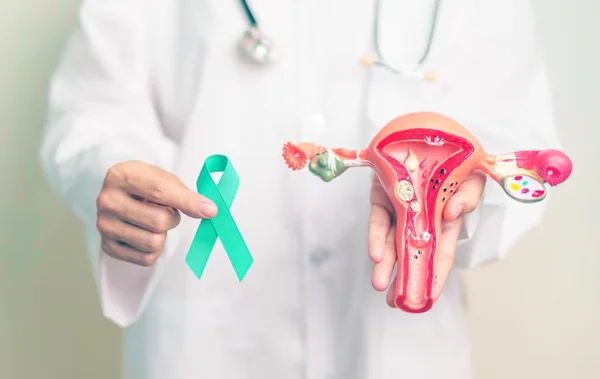
Laparotomy is a major surgical procedure performed to treat tumours of the reproductive system, including cervical and uterine cancers. At Dr. Akshata Bhatnagar’s clinic, we provide expert gynaecologic treatment in Gyna Khand 1, offering comprehensive care for women requiring tumour removal and cancer management. The procedure is tailored to remove cancerous tissues safely while preserving as much healthy tissue as possible and ensuring optimal recovery.
Laparotomy is an open surgical procedure where an incision is made in the lower abdomen to access the pelvic organs. It allows the surgeon to:
Remove tumours from the uterus, cervix, or ovaries.
Excise cancerous tissues while assessing surrounding structures.
Perform staging and diagnostic evaluation of reproductive cancers.
Repair or reconstruct pelvic organs if required.
Unlike minimally invasive techniques, laparotomy provides a direct view of the pelvic region, making it suitable for complex tumours or advanced cancers.
Laparotomy may be required due to:
Cervical cancer: Malignant growths in the cervix detected through Pap smear or biopsy.
Uterine cancer (Endometrial cancer): Abnormal tissue growth within the uterus causing bleeding or pain.
Large or multiple pelvic tumours: Not suitable for laparoscopic removal.
Complicated ovarian tumours or masses: Where full access is needed for safe removal.
Failure of conservative treatment: When medication or minimally invasive surgery is insufficient.
Early intervention prevents cancer progression, improves survival rates, and allows comprehensive staging for personalised care.
Laparotomy for gynaecological cancers is generally performed in:
Perimenopausal women (40–55 years): Most uterine cancers are detected around this age.
Postmenopausal women: Cervical or uterine malignancies are more common in older age.
Younger women (rare cases): In instances of aggressive or inherited cancers.
The procedure is customised based on patient health, tumour type, and reproductive considerations.
Women requiring laparotomy for tumour removal may present with:
Abnormal vaginal bleeding or spotting.
Pelvic or lower abdominal pain.
Unexplained weight loss or fatigue.
Frequent urination or pressure on the bladder.
Detection of masses or tumours on imaging tests.
Persistent postmenopausal bleeding.
Timely evaluation and surgical intervention are critical for improved outcomes.
Provides definitive treatment for uterine, cervical, or pelvic tumours.
Allows complete removal of cancerous tissue and staging for targeted therapy.
Improves survival rates and reduces risk of recurrence.
Enables simultaneous repair of affected pelvic organs if necessary.
Provides peace of mind and better quality of life after successful tumour management.
Treatment depends on tumour type, size, and staging:
Preoperative Evaluation: Blood tests, imaging (ultrasound, MRI, or CT scan), and biopsy.
Surgical Intervention (Laparotomy):
Incision in the lower abdomen under general anaesthesia.
Removal of tumour or cancerous tissue with assessment of nearby organs.
Reconstruction or repair if required.
Postoperative Care: Pain management, infection prevention, wound care, and gradual return to normal activities.
Adjunct Therapy: Radiation, chemotherapy, or hormonal therapy may follow depending on cancer staging and pathology.
Treatment plans are personalised for optimal recovery and long-term health.
Step 1: Preoperative preparation including fasting, medications, and counselling.
Step 2: Administration of general anaesthesia.
Step 3: Lower abdominal incision to access the uterus, cervix, and surrounding structures.
Step 4: Removal of tumour or affected tissue, assessment of lymph nodes, and staging if required.
Step 5: Closure of the incision and postoperative monitoring.
Hospital stay typically ranges from 5–7 days, with full recovery taking 4–6 weeks depending on the extent of surgery.
Dr. Akshata Bhatnagar provides expert care in complex gynaecologic surgeries like laparotomy, combining:
Advanced surgical techniques for tumour removal and cancer management.
Personalised pre- and post-operative care.
Comprehensive counselling on recovery, fertility, and long-term health.
Minimisation of complications through meticulous surgical planning.
Compassionate support addressing physical and emotional needs of patients and families.
Choosing Dr. Akshata ensures a safe, effective, and holistic approach to gynaecologic tumour and cancer treatment.
1. Is laparotomy safe for treating cervical and uterine cancers?
Yes. With proper evaluation and expert surgical care, laparotomy is a safe and effective option for tumour removal and cancer management.
2. How long is the recovery period after laparotomy?
Recovery typically takes 4–6 weeks, with gradual return to normal activities; hospital stay is usually 5–7 days.
3. Will I require additional therapy after laparotomy?
Depending on the cancer stage, patients may need radiation, chemotherapy, or hormonal therapy.
4. Can laparotomy preserve fertility?
In most cases of cancer, fertility preservation is not possible; however, early detection may allow fertility-sparing options in select patients.
5. How is the success of laparotomy monitored?
Follow-up includes regular imaging, blood tests, and consultations to monitor recovery, detect recurrence, and plan further treatment if needed.



Comments
Be the first to review