
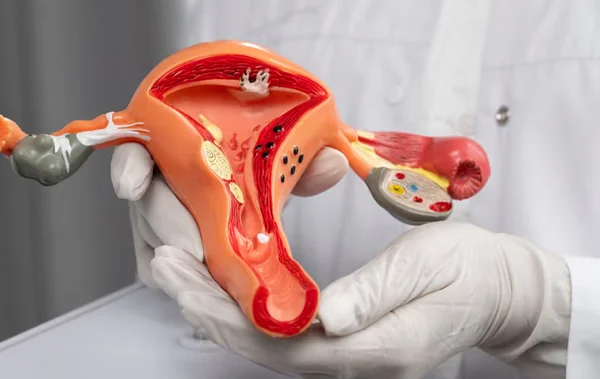
Uterine prolapse occurs when the uterus descends into the vaginal canal due to weakened pelvic muscles and ligaments. Pelvic floor repair is a surgical procedure designed to restore the uterus to its normal position and strengthen the pelvic support structures. At Dr. Akshata Bhatnagar’s clinic, we provide advanced gynaecologic treatment in Gyna Khand 1, offering personalised care for women experiencing prolapse, with a focus on improving quality of life and preserving reproductive and urinary function.
Pelvic floor repair (also called uterine prolapse surgery) is a procedure that restores the support of pelvic organs, including the uterus, bladder, and rectum. Depending on the severity, the surgery may involve:
Anterior and posterior colporrhaphy: Repair of vaginal walls to support bladder and rectum.
Hysteropexy or Uterosacral ligament suspension: Restores uterine position without removing the uterus.
Vaginal or abdominal approach: Surgery can be performed through the vagina or abdominal incision depending on prolapse severity.
The procedure relieves symptoms, prevents recurrence, and restores pelvic function.
Uterine prolapse occurs due to weakening of the pelvic floor, often caused by:
Childbirth trauma, especially multiple vaginal deliveries.
Age-related weakening of ligaments and muscles.
Chronic straining due to constipation or coughing.
Obesity or increased intra-abdominal pressure.
Hormonal changes during menopause affecting pelvic tissues.
If untreated, prolapse can worsen, leading to discomfort, urinary issues, and sexual dysfunction.
Pelvic floor repair is commonly required in:
Women over 35–40 years: Especially after multiple childbirths.
Postmenopausal women: Hormonal decline weakens pelvic support structures.
Younger women: Rarely, after trauma, congenital weakness, or chronic pressure conditions.
Early diagnosis and intervention prevent complications and improve surgical outcomes.
Women with uterine prolapse may experience:
Feeling of heaviness or pressure in the pelvic region.
Vaginal bulging or protrusion.
Urinary incontinence or difficulty emptying the bladder.
Constipation or difficulty with bowel movements.
Pain during intercourse or lower back discomfort.
Recurrent urinary or vaginal infections.
Prompt evaluation ensures timely management before symptoms worsen.
Restores the uterus and pelvic organs to their normal position.
Strengthens weakened pelvic muscles and ligaments.
Reduces urinary and bowel problems associated with prolapse.
Improves quality of life and sexual function.
Prevents further worsening or recurrence of prolapse.
Treatment for uterine prolapse depends on severity and patient goals:
Conservative Management:
Pelvic floor exercises (Kegel exercises).
Vaginal pessaries to support the uterus.
Surgical Management (Pelvic Floor Repair):
Vaginal or abdominal repair using native tissue or mesh reinforcement.
Procedures may include colporrhaphy, hysteropexy, or sacrocolpopexy.
Postoperative Care:
Pain management, pelvic rest, and gradual resumption of activities.
Guidance on avoiding heavy lifting and straining to prevent recurrence.
Treatment plans are tailored based on age, severity, and desire for future fertility.
Preoperative Assessment: Physical examination, ultrasound, and urodynamic studies if needed.
Surgical Approach:
Vaginal route: Direct repair of pelvic tissues via the vaginal canal.
Abdominal or laparoscopic route: Strengthening of ligaments and placement of supportive mesh if required.
Postoperative Monitoring: Pain control, infection prevention, and instruction for pelvic floor rehabilitation.
Hospital stay is usually 2–4 days; complete recovery takes 4–6 weeks depending on the procedure and patient health.
Dr. Akshata Bhatnagar provides expert pelvic floor repair with:
Advanced techniques for minimally invasive or vaginal surgery.
Personalised evaluation to preserve reproductive and urinary function.
Pre- and postoperative counselling for optimal recovery.
Focus on long-term results with reduced risk of recurrence.
Compassionate care addressing both physical and emotional well-being.
Choosing Dr. Akshata ensures safe, effective, and life-improving treatment for uterine prolapse.
1. Can pelvic floor repair restore normal sexual function?
Yes. Restoring uterine and pelvic support often improves sexual comfort and function.
2. How long is recovery after pelvic floor repair?
Hospital stay: 2–4 days; complete recovery: 4–6 weeks, depending on surgery type.
3. Is mesh always used in prolapse repair?
Not always. Mesh is used selectively for severe prolapse; native tissue repair is preferred for many cases.
4. Can prolapse recur after surgery?
Recurrence is rare with proper surgical technique and postoperative pelvic floor care.
5. Are there non-surgical options for prolapse?
Yes. Vaginal pessaries and pelvic floor exercises can help mild prolapse or serve as temporary management before surgery.



Comments
Be the first to review