
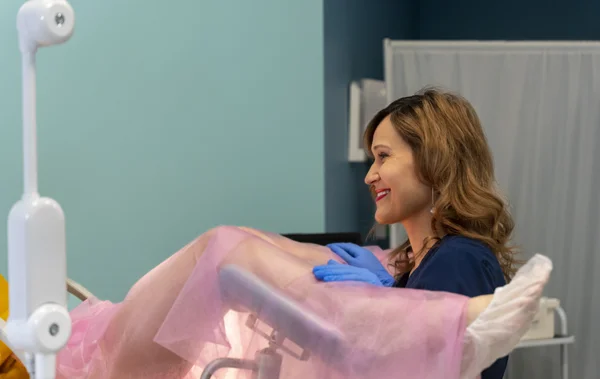
Hysteroscopy is a minimally invasive procedure that allows direct visualization of the inside of the uterus using a thin, lighted telescope called a hysteroscope. At Dr. Akshata Bhatnagar’s clinic, we provide expert gynaecologic treatment in Gyna Khand 1, using hysteroscopy for both diagnostic and therapeutic purposes, including evaluation of abnormal uterine bleeding, infertility, fibroids, polyps, and congenital uterine anomalies. This technique ensures precise treatment with minimal discomfort and rapid recovery.
Hysteroscopy involves inserting a thin, flexible or rigid hysteroscope through the vagina and cervix into the uterine cavity. It allows:
Diagnostic hysteroscopy: To identify uterine abnormalities such as polyps, fibroids, adhesions, or septum.
Operative hysteroscopy: To treat problems like fibroid or polyp removal, adhesiolysis (removal of intrauterine adhesions), or septum correction.
Minimally invasive evaluation: Avoids open surgery, reduces complications, and preserves fertility.
Hysteroscopy is indicated when women experience uterine problems such as:
Abnormal uterine bleeding (heavy, irregular, or postmenopausal bleeding).
Infertility or recurrent pregnancy loss.
Presence of uterine fibroids, polyps, or adhesions.
Suspected congenital uterine anomalies like septum or bicornuate uterus.
Retention of products of conception after miscarriage or delivery.
Timely hysteroscopic intervention improves fertility outcomes, reduces pain, and prevents long-term complications.
Hysteroscopy can be performed across a wide age range:
Reproductive-age women (20–40 years): For infertility, fibroids, polyps, or abnormal bleeding.
Perimenopausal women (40–50 years): For heavy bleeding, fibroids, or postmenopausal evaluation.
Older women (>50 years): For postmenopausal bleeding or uterine pathology assessment.
The procedure is tailored to the patient’s age, reproductive goals, and uterine condition.
Women suitable for hysteroscopy often present with:
Heavy or irregular menstrual bleeding.
Difficulty conceiving or recurrent miscarriage.
Pelvic pain associated with intrauterine growths.
Unexplained postmenopausal bleeding.
History of retained tissue after miscarriage or delivery.
Hysteroscopy provides a direct and precise method to diagnose and treat these problems.
Direct visualization allows accurate diagnosis of uterine abnormalities.
Minimally invasive with no abdominal incisions.
Short recovery time and minimal postoperative discomfort.
Preserves fertility and reproductive health.
Can simultaneously diagnose and treat intrauterine problems.
Reduces the need for open surgery and associated complications.
Diagnostic Hysteroscopy: Evaluates structural uterine problems causing bleeding or infertility.
Operative Hysteroscopy:
Removal of polyps and fibroids.
Correction of septum or congenital anomalies.
Removal of adhesions (Asherman’s syndrome).
Retained products of conception evacuation.
Postoperative Care: Mild pain management, early return to daily activities, and follow-up for healing.
Treatment is personalised depending on the uterine pathology and patient’s reproductive goals.
Preparation: Patient may undergo imaging and preoperative evaluation.
Anaesthesia: Local, regional, or general anaesthesia depending on the procedure.
Insertion of Hysteroscope: Through vagina and cervix into the uterine cavity.
Inspection and Treatment: Identification and removal of polyps, fibroids, adhesions, or septa.
Completion: Procedure usually takes 15–60 minutes depending on complexity.
Recovery: Most women resume normal activities within 1–2 days.
Dr. Akshata Bhatnagar provides advanced hysteroscopic care with:
Expertise in both diagnostic and operative hysteroscopy.
Minimally invasive techniques ensuring rapid recovery and minimal pain.
Preservation of fertility and uterine function.
Personalised evaluation for every patient.
Compassionate guidance throughout diagnosis, treatment, and follow-up.
Choosing Dr. Akshata ensures safe, precise, and fertility-preserving treatment for all intrauterine conditions.
1. Is hysteroscopy painful?
Most patients experience minimal discomfort, often managed with local anaesthesia or sedation.
2. How long does recovery take?
Recovery is typically 1–2 days, with most women resuming normal activities quickly.
3. Can hysteroscopy help with infertility?
Yes. It treats uterine abnormalities such as polyps, fibroids, adhesions, or septa that may affect fertility.
4. Are there risks with hysteroscopy?
Risks are low but may include minor bleeding, infection, or uterine perforation; these are rare with experienced surgeons.
5. Can hysteroscopy be combined with other procedures?
Yes. Diagnostic hysteroscopy can often be converted to operative hysteroscopy to treat detected abnormalities in the same session.



Comments
Be the first to review